
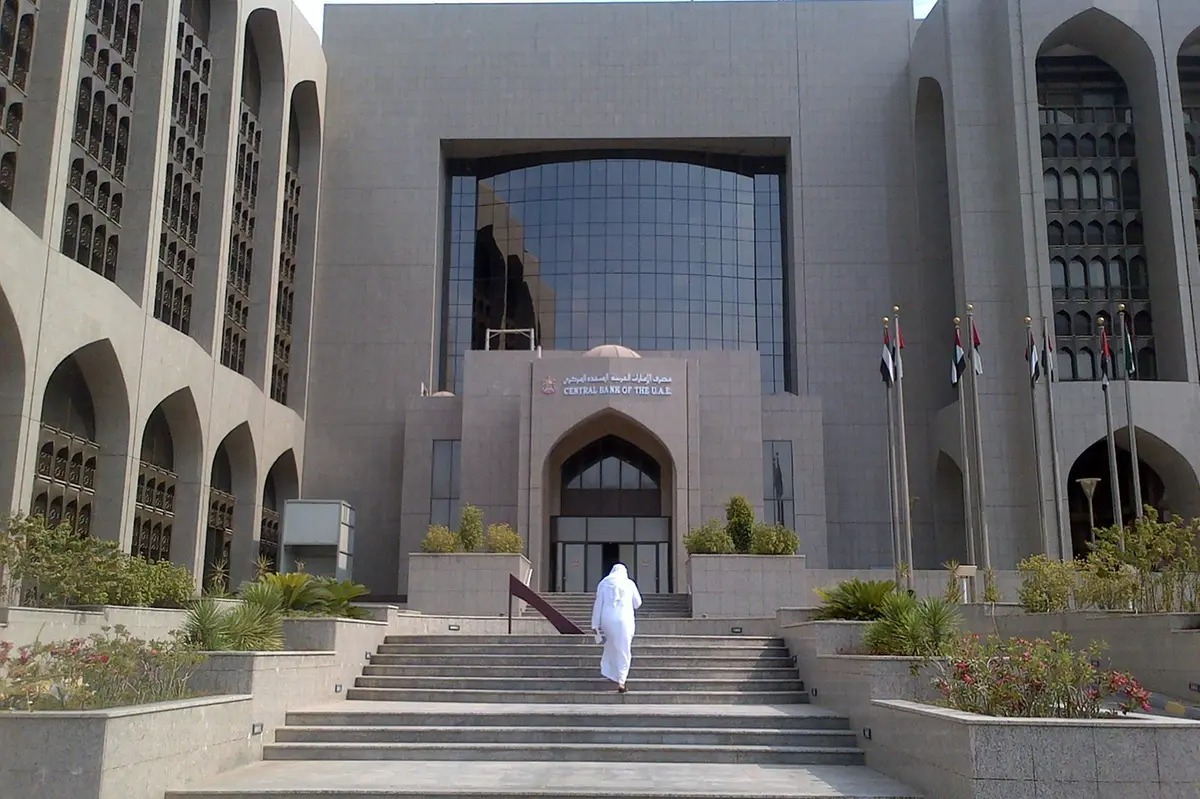
The UAE Central Bank has reduced its base rate for overnight deposits by 25 basis points to 4.65%, aligning with the US Federal Reserve’s move to lower rates as inflation stabilizes. This adjustment, effective November 8, reflects the UAE’s approach to supporting economic growth while maintaining monetary stability.
GCC Central Banks Follow Fed’s Lead
The decision comes as Gulf Cooperation Council (GCC) central banks, including those in Saudi Arabia, Qatar, and Bahrain, also reduced their rates following the Fed’s latest cut, which lowered the federal funds rate to a range of 4.5% to 4.75%. The Gulf states often align their policies with the Fed due to their currencies’ peg to the US dollar, a move designed to maintain economic stability amid global rate changes.
Impacts on Economic Sectors
Lower interest rates in the GCC are expected to stimulate growth in sectors like real estate and consumer spending, which are highly sensitive to credit conditions. As Vijay Valecha, Chief Investment Officer at Century Financial, notes, “Lower rates in the GCC could fuel growth in sectors sensitive to credit conditions, such as real estate and domestic spending, enhancing resilience in the broader economy.” This is particularly relevant for the UAE, where economic diversification efforts are bolstered by strong demographics, strategic positioning, and a thriving tourism industry.
Wider Economic Context
The Fed’s cautious approach to rate adjustments, highlighted by its recent decision, is aimed at balancing inflation control with sustained economic expansion. With inflation in the US hovering just above the 2% target, further rate changes may proceed gradually. Analysts suggest that fiscal policies, such as those proposed under Donald Trump, could potentially influence future Fed rate moves, with implications for GCC economies due to their currency peg to the dollar.
Regional Banking Sector Benefits
The UAE and other GCC economies stand to benefit from lower financing costs. While lower rates can boost economic sectors like real estate, higher rates could also favor the banking sector due to increased interest margins. Valecha adds, “Higher interest rates are typically negative for economic growth, but the UAE, due to its strong demographics, strategic location, diversification, and thriving tourism, is better positioned to absorb higher rates than other major economies.”
Outlook for Further Rate Cuts
According to market projections and the CME Fed Watch Tool, there is currently a 70% probability of another 25-basis-point cut by December, reflecting expectations of continued easing. However, further cuts are expected to be measured to ensure economic stability amid inflationary concerns.
In summary, the UAE’s rate cut, alongside other GCC central bank moves, is a strategic step to stimulate economic activity, support growth, and maintain financial stability while keeping an eye on global monetary trends.

Leave a Reply